

At the forefront of gender housing justice in Canada: How lived expertise, research, and advocacy shaped 2025 for the Women’s National Housing & Homelessness Network.
This was a defining year for the women and gender-diverse housing movement in Canada. As the housing crisis deepened, so too did the clarity that systems not built with women, Two-Spirit, trans, and gender-diverse people in mind will continue to fail us unless we intervene—collectively, strategically, and with lived expertise at the centre.
This year, the Women’s National Housing & Homelessness Network (WNHHN) played a convening role across research, advocacy, movement-building, and international human rights processes. From advancing the right to housing through a historic National Housing Council review, to supporting frontline partners to apply gender-based analysis in practice, 2025 was about turning evidence into pressure—and pressure into possibility.
Advancing the Right to Housing: The Neha Review Panel
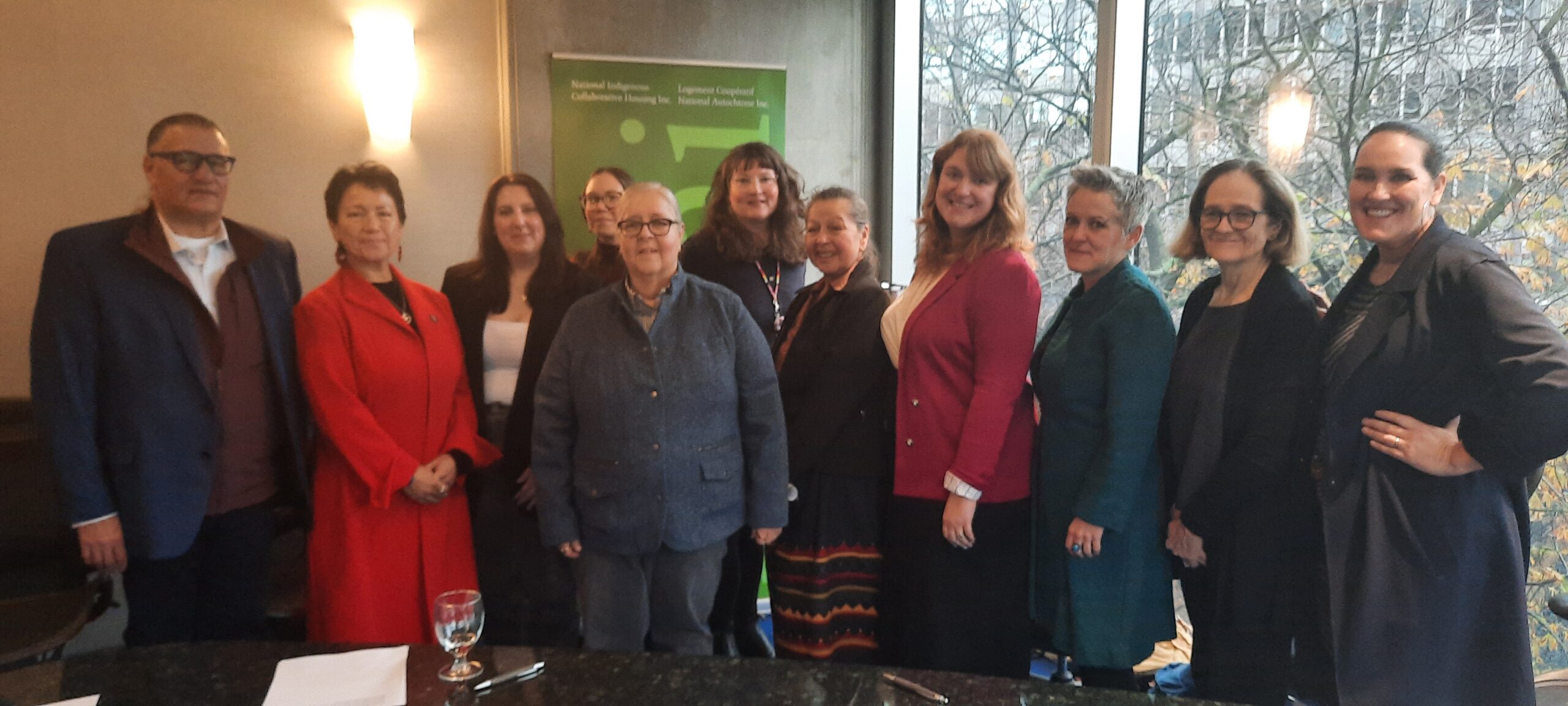 At the heart of our work in 2025 was our leadership in advancing the National Housing Council’s Neha Review Panel on the Right to Housing for Women and Gender-Diverse People—the second federal human rights review of its kind.
Throughout the year, WNHHN supported and coordinated an unprecedented mobilization of lived expertise. We delivered 20 Community Champion training sessions, equipping 50 Community Champions across the country to support people with lived and living experience of housing precarity to share their stories safely, ethically, and strategically. These efforts resulted in over 200 individual written submissions, each contributing to a powerful public record of how gendered homelessness is experienced across diverse communities and regions.
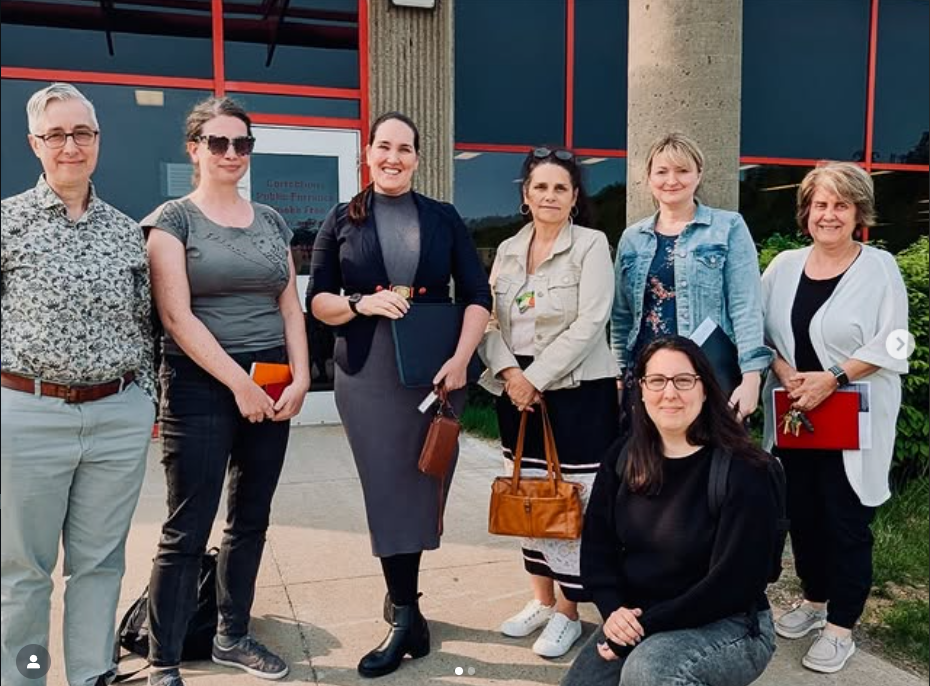 In parallel, we supported partners to develop organizational submissions and helped plan and participate in in-person testimony gathering in Edmonton, Toronto, Nova Scotia, and the Downtown Eastside of Vancouver, alongside participation in Neha’s virtual oral dialogue series. We collected virtually, in community spaces, and in institutions (e.g. prisons so incarcerated women and gender-diverse people has an opportunity to claim their right to housing). These dialogues created rare space for direct accountability between rights-holders and decision-makers.
On November 25, WNHHN joined national and local partners for a press conference marking the public release of the Neha Review Panel’s reports. The moment was both historic and urgent: the evidence is clear, the solutions are known, and the responsibility now lies with government to act. As we move into 2026, we are focused on seeing these recommendations through as we await the Minister’s formal response.
Research & Knowledge Creation: Naming What Systems are Missing
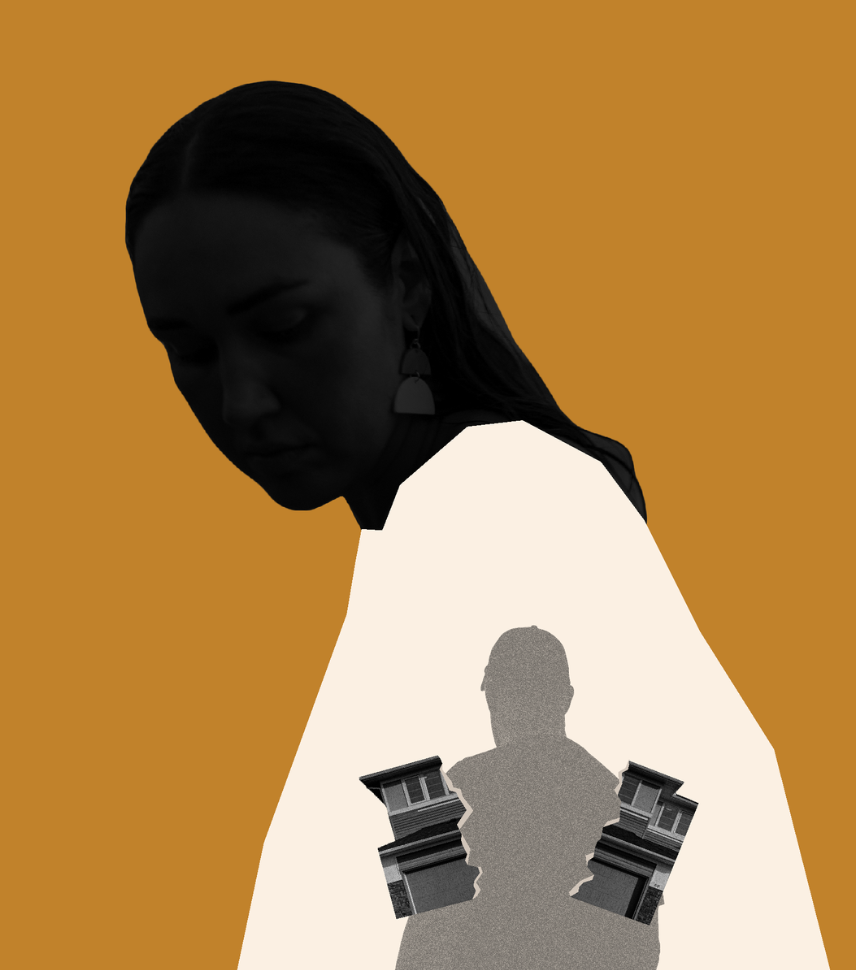 Research remained a core pillar of our work in 2025—not as an academic exercise, but as a tool for accountability and systems change.
We continued advancing our Sacred Spaces & Safe Places work, documenting how gender-based violence, housing insecurity, and homelessness intersect, particularly for Indigenous women, Two-Spirit, trans, and gender-diverse people. We also completed groundwork for the release of Unaddressed, a major Calgary-based research report examining gaps in housing and homelessness responses for women and gender-diverse people, scheduled for release in early 2026.
Across all our research, our focus remains the same: making visible the harms created by systems that were never designed for us—and identifying what gender-just alternatives must look like.
National and International Advocacy: Housing is a Gender Equality Issue
In 2025, WNHHN strengthened its presence in national and international advocacy spaces, reinforcing that housing precarity is fundamentally a gender equality and human rights issue.
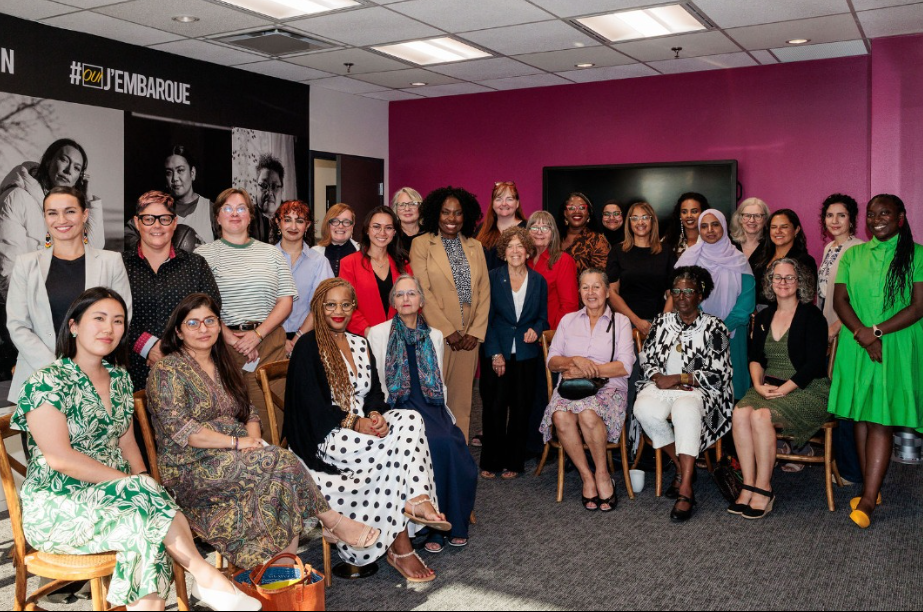 Internationally, we contributed to the W7 Gender Equality Working Group, helping develop a global brief on gender equity in advance of the G7 gathering in Alberta. We also made two submissions to the UN Committee on the Rights of Persons with Disabilities (CRPD), focusing on gendered housing precarity and homelessness—bringing Canadian evidence into international accountability mechanisms.
Nationally, we deepened relationships across federal government, including meeting with Minister of Women and Gender Equality, Rechie Valdez, and expanding our government relations work to ensure gender-responsive housing policy remains on the agenda. We joined 62 organizations to oppose Ontario’s punitive encampment laws and stood alongside 120+ feminist allies to defend a stand-alone WAGE ministry and protect critical funding for gender equity work.
WNHHN also submitted briefs to the federal government on Build Canada Homes and expectations for Budget 2025. The most recent submission was delivered to the Standing Committee on the Status of Women on countering anti-feminist ideology in federal housing policy just this month (you can read it here).
Sharing and exchanging knowledge across movements was another key focus this year. WNHHN presented and participated in national and international forums, including:
- The International Journal on Homelessness Conference (Chile)
- The Pan-Canadian Voice on Women’s Housing Symposium (twice)
- CAEH25 in Montreal
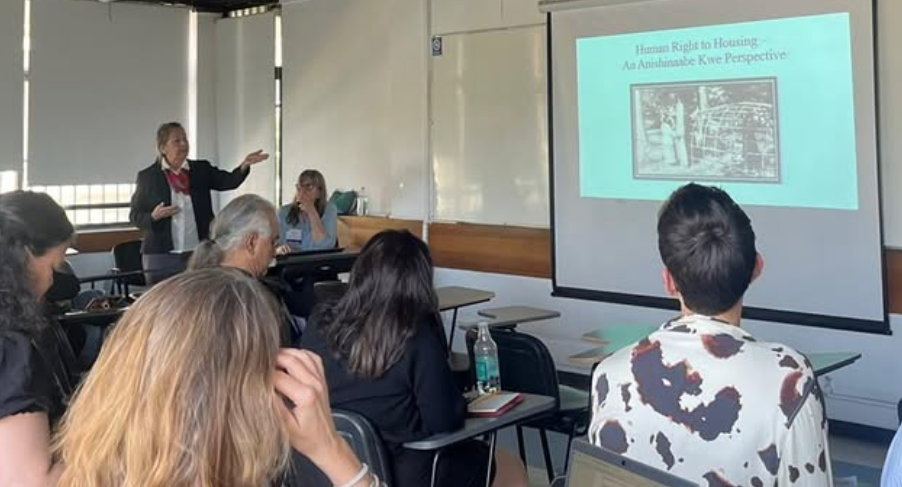
- The Housing Central Confer
ence in British Columbia
These spaces allowed us to amplify lived-expert analysis, share Canadian feminist housing frameworks, and learn from global movements confronting similar challenges.
Growing Our Practice: Community Leadership & Applied Change
 In 2025, we also soft-launched WNHHN’s Community Leadership and Consultancy Arm, responding to growing demand from partners seeking support to operationalize gender justice.
This included:
- Working with the Pan-Canadian Voice on Women’s Housing
- Partnering with Plan International on a youth advocacy and campaigning initiative
- Supporting the Region of Waterloo to apply a GBA+ framework across frontline homelessness services
- Collaborating with Keepers of the Circle to develop culturally grounded toolkits on housing and homelessness for Indigenous women, Two-Spirit, trans, and gender-diverse people
This work reflects our commitment to bridging advocacy and practice—supporting partners not only to name problems, but to build solutions.
Campaigns, Solidarity, and Collective Power
Movement-building remained central to our approach. In 2025, WNHHN participated in the Demand Better election campaign, alongside national feminist allies, highlighting how investing in women and gender-diverse people is essential to a healthy economy.
We also launched our #HomesforEveryBody campaign, advancing three core policy choices to address gendered homelessness, while continuing to support partner-led campaigns, including Momentum Canada’s efforts to protect trans youth in Alberta and the Canadian Centre for Women’s Empowerment’s campaign on economic abuse.
Looking Ahead: Why 2026 Matters
If 2025 was a year of building pressure and infrastructure, 2026 will be a year of accountability and expansion.
In the coming year, we will:
- Release the Unaddressed Calgary report
- Publish findings from our tenancy and tenant protections work, and expand this work in 2026
- Deepen and formalize our government relations strategy
- Continue mobilizing to ensure the Neha Review Panel’s recommendations are implemented
- Advance national and international advocacy on the right to housing
- Strengthen collective organizing for gender justice and housing justice
None of this work happens in isolation. It is powered by community champions, lived experts, frontline partners, Indigenous leaders, researchers, advocates, and funders who believe that housing is a human right—and that gender justice is non-negotiable.
As we move into 2026, we do so with clarity, resolve, and deep gratitude for the collective power that makes this work possible.
In solidarity,
The Women’s National Housing & Homelessness Network